Uncategorized

shutterstock 267530918

Basic Swimming Pool Ideas And Guidelines

Basic Swimming Pool Ideas And Guidelines If you’re the kind of person who always finds yourself checking to see if an apartment complex has a pool before signing a lease, or who would never book a reservation at a hotel unless the pool was open, owning your own pool can seem like a dream come true. The sheer luxury of being able to step a few feet outside of your door and find yourself engulfed in the waters of your very own pool can make you feel extremely accomplished, and may even be the fulfillment of a wish you have had for many years. While you are likely solely focused on spending as much time in your pool as possible, enjoying a lazy day, getting in a few laps for exercise or making memories with your family, there are also a few key responsibilities that come along with pool ownership that you will want to keep in mind as well. Take a look at the information below to learn more about a few swimming pool ideas and swimming pool guidelines that can help you make the most of your pool. Keep Your Pool As Clean As Possible It’s very difficult to find pleasure in a dirty pool. The crystal blue waters that are so inviting can easily begin to be muddied if you don’t take careful, preventative measures to keep it from happening. You must keep in mind that your pool is bombarded by many different elements, and if you don’t put a plan in place, you may find yourself avoiding the very pool that you wanted for so long. Pool maintenance doesn’t have to be difficult. The most critical thing to keep in mind is that in order for you to avoid viewing maintenance as a total chore, you have to break the activity down into separate parts. It’s so much easier to tackle a task when it seems small, as opposed to waiting until it has grown so large that you would rather ignore it! Pool Skimmers Provide Smooth Surfaces Firstly, be sure to invest in a pool skimmer. This instrument is comprised of a pole with a small net attached. It’s a relatively simple-looking piece of equipment, but when used on a regular basis, it is a force to be reckoned with. You can start by using the skimmer to carefully gather any leaves, sticks, bugs, or other types of debris that appear on the surface of the water in your pool. This should be done on at least a daily basis for optimal results. You may also want to consider placing trash receptacles around the pool so guests won’t be tempted to leave plates, cups or other waste products near the pool. These are items that can easily blow over into the water. Vacuums Aren’t Just For Indoors A pool vacuum is another must-have article in your arsenal of pool supplies. It generally operates with the same purpose as the vacuum you use inside of the house: It clears away debris before it has a chance to build up and create bigger problems. The suctioning power of the pool vacuum works to gently clear away any dirt, bacteria or algae that grows on the walls and floor of your pool. Having a pool vacuum is absolutely vital because the lining of your pool is one of the most delicate parts of the entire contraption. If the lining is damaged due to neglect or build-up, you could find leaks springing up that either make your pool unusable or that require such an enormous output of money that you aren’t able to take advantage of your pool until you save the money to have the lining repaired. When To Use Your Pool Vacuum Although you likely won’t have to vacuum your pool every single day, you should make it a point to vacuum at least once a week. This is a good rule of thumb and a great practice because it keeps the lining free of contaminants that threaten to cause damage. Keep An Eye On Your Chlorine Levels Chlorine is a chemical agent used to kill bacteria so that not only is the water safe for you to swim in, but it is also an important way to ward off growths that can destroy the soundness of the pool itself. The amount of chlorine you should use depends on a number of different factors, including the climate where you live, the size of the pool and the hardness of the water used to fill the pool. Do your due diligence to determine how much chlorine needs to be in your pool waters and make it your aim to always ensure the goal mark is met. Keep A Hose Nearby As tempting as it may be to dive into your pool without a care in the world, you also have to consider the fact that you may be introducing harmful bacteria into the pool yourself. You come into contact with so many people, places and things each day, and in the course of your daily activities you could pick up various microorganisms that could ruin the chemical balance of your pool water. This is why it is such a smart practice to keep a hose near your pool. Before you take a dip, be sure to use the hose to quickly cleanse yourself before jumping in. Encourage any family or friends who use the pool to do the same. It is a seemingly small gesture, but your pool water is sure to thank you! Make Your Pool Last A Lifetime A pool is a major investment that you want to see go the distance. All it takes is a little thought and elbow grease for your pool to look and operate as good as new for decades. If you incorporate these ideas and guidelines into your existing pool maintenance routine, you’re sure to look up years from now and see that your pool is in fantastic condition

Basic Swimming Pool Ideas And Guidelines Read More »
shutterstock 2512703865 e1765132492410

Effective Tips for Pool Maintenance and Its Myths

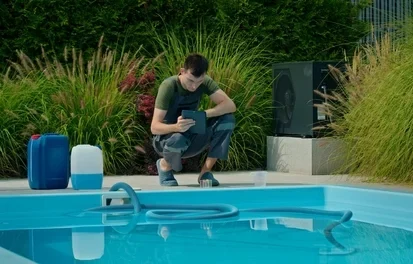
Effective Tips for Pool Maintenance and Its Myths A pool is the dream of many people who want a private sanctuary for relaxing and socializing. Some people hesitate to install a pool because they think that it’s too expensive and the maintenance is too time-consuming. With so many pool maintenance tips and myths, it’s easy to get caught up in the misconceptions. Whether you’re a homeowner, a service buyer, or a business owner in Singapore, here’s what you need to know about swimming pool maintenance tips and avoiding costly repairs. A Pool Doesn’t Require Any Attention One primary misconception is that a swimming pool doesn’t require much attention, especially if the water is clear. However, every pool needs consistent, weekly care to keep it clean and avoid expensive maintenance. If you don’t perform regular chemical testing, bacteria and algae can grow, potentially causing health problems for swimmers and leading to costly repairs for the owner. The chemistry of the water determines if the pool is safe for swimming. The best maintenance routine includes checking the chemical balance every week, skimming debris from the surface, and inspecting the filtration system to ensure it operates properly. Unbalanced water chemistry can be dangerous. You shouldn’t determine that your pool is safe if the water is clear. It could contain harmful pollutants. Additional issues due to an imbalance could include stains on the pool plaster, algae growth, tile corrosion, and scaling. More Chemicals Ensure a Clean Pool The more chemicals used in a pool, the cleaner it is. If excess chemicals or too much chlorine are added to a pool, it can cause more harm than good. High chemical or chlorine levels can irritate the eyes and skin, affect the interior finish of the pool, and reduce its lifespan. High levels of chlorine or other chemicals could damage the filtration system. Improper water chemistry could cause harmful bacterial growth. A swimmer may leave traces of body oils, soap, or shampoo in the water. Leaves or twigs floating in the water may provide a place for microorganism growth. Follow manufacturer guidelines for adding chemicals and regularly test the water to maintain proper balance. Oxidizers and sanitizers can disinfect the pool. Adding chemicals can balance the chlorine, calcium, and pH levels. You could add algaecides to ensure the pool is clean. However, it’s essential not to mix certain chemicals that could be harmful to swimmers. The levels of alkalinity, calcium hardness, pH, and chlorine must be maintained properly. Alkalinity is a pH buffer. Calcium hardness prevents the water from being corrosive. The pH measures the amount of alkalinity or acidity in the water. If the Water is Clear the Pool is Clean If the water looks clean, maintenance isn’t necessary. However, the water could have a chemical imbalance. Microscopic bacteria and debris could cause cloudy water or illness. Regular shock treatments and balancing the water chemistry help to remove contaminants. Some people think that if you smell chlorine, the odor comes from the water. However, this isn’t accurate. Clean pool water should never emit an odor. Chlorine attaches to bacteria in the water, which creates chloramines, a disinfection byproduct. Dirt and bacteria may give off an odor when the pool is dirty. The odor is an indication that you need to add more chlorine. When the pool is shocked, the chloramines turn to oxygen and are released into the air. Chlorine is the main sanitizer, which prevents the growth of algae and kills bacteria that could be harmful. Dirt and bacteria may give off an odor, which means the pool is still dirty and needs more chlorine. When the chlorine levels are adjusted, the air around the pool will start to smell fresh. Running Your Pump For a Few Hours is Sufficient Some pool owners think that operating their pump for just a few hours a day is sufficient to keep the pool clean. Pool professionals recommend running the pump for at least eight to 12 hours a day during the summer and for a few hours less during cooler periods. Cutting back on the time you run the pump risks poor circulation in the pool. The pump helps to remove debris, maintains better water quality, and circulates the chemicals. If you decrease the time you run the pump you could risk algae growing in the pool, stagnant water, and a filter that collects dirt. You Only Need a Pool Professional For Serious Issues Hiring a professional pool service is only necessary when there’s a significant problem. You should schedule regular check-ups from a pool service professional to ensure that your equipment is working correctly and your water chemistry is balanced. A professional can catch potential issues early, saving you from expensive repairs later on. Regular pool cleaning is necessary, but for most pools, it’s not necessary to vacuum each day. How frequently the pool is thoroughly cleaned depends on a few factors, including how often the pool is used, the size, and the surrounding environment. If the pool is in an area with dense trees, heavy pollination, or flowers, the surface may require more frequent skimming. For most pools, thorough cleanings can be done once a week. Maintaining your pool doesn’t have to be stressful. It’s important to separate the facts from myths when it comes to proper care of your pool. When you understand the facts about pool care, you can avoid mistakes that can be costly and keep your pool sparkling clean and safe. Remember that even if the pool looks clean, you must balance and not overuse the chemicals and ensure the pump is operating properly. Regular maintenance of your pool during the summer and in the off-season is the key to keeping it a safe, fun place to enjoy.

Effective Tips for Pool Maintenance and Its Myths Read More »

shutterstock 2344385815

Five Mistakes to Avoid When Handling Swimming Pool Maintenance

Five Mistakes to Avoid When Handling Swimming Pool Maintenance Your home’s swimming pool can quickly turn from an oasis to a headache when you make maintenance mistakes. It can be easy to become relaxed about pool maintenance if you’ve never had any major problems with your pool. However, the truth is that a pool requires a daily commitment to stay running in a clean, efficient manner. Skipping maintenance steps or taking shortcuts can reduce your pool’s performance in the long run. Being relaxed about caring for your pool can even make pool water unsafe. Of course, some pool maintenance mistakes happen simply because homeowners don’t know about many of the big pool mistakes to avoid. The reality is that your pool could probably be doing better. Luckily, a little awareness and a few tweaks to your care plan can make a world of difference. Start the journey to sparkling water and endless relaxation for years to come with this list of five important pool care mistakes to avoid. Pool Maintenance Mistake #1: Not Brushing Your Pool There’s no doubt you already know how important it is to vacuum your pool. In fact, you may be wondering why your pool water is so murky even though you diligently use your vacuum. The answer is that you’re not brushing your pool. Vacuuming your pool is great for removing bigger chunks of debris that can clog filters and make water appear dirty. However, vacuuming isn’t so great at getting rid of things like fibers and oils that have settled on the interior surface of your pool. Over time, these materials can build up to create a dirty film that shows up on the surface of your pool water. While small, these tiny particles and films can also begin to make their way into your pool drains and vents to cause big problems. Brushing removes gunk and scum from your pool better than vacuuming alone. With a pool brush often costing just a few dollars, there’s no easier way to create clear, buildup-free water. Key areas of a swimming pool that need brushing include the waterline, the steps leading into the pool, all corners, and any areas behind pool ladders. Most pools only need to be brushed about once a week. However, pools in yards with lots of trees or plants that can direct pollen into the pool may need to be brushed more frequently. Pool Maintenance Mistake #2: Being Relaxed About Pool pH and Alkalinity Are you playing guessing games about your pool’s chemical balance? It’s easy to forget that maintaining a pool is actually an exercise in chemistry. Don’t just assume your pool is “fine” because the water looks clear. Make a habit of testing for pH levels and alkalinity regularly. Ideally, your pool’s pH is between 7.4 and 7.6. Alkalinity should be between 80 parts per million (ppm) and 120 ppm. Pool Maintenance Mistake #3: Shocking Your Pool in the Daytime This is one of the most common pool maintenance mistakes that most people don’t realize is wrong. Do you like to shock your pool at the start of the day to knock the chore off your list? You may be eager to wake up and add shock to your pool in anticipation of a busy day of swimming in the sun. However, the sun is the problem here. Consider why pool shock is so important. Shocking your pool removes chlorine remnants called chloramines that will irritate your skin and eyes if not handled. Chloramines are created when chlorine byproducts merge with things like sunscreen, oils from skin, algae, or bacteria. Regular shocking is extremely important for preventing algae blooms from taking over a pool. The problem with daytime pool shocking is that sunlight actually reduces the effectiveness of pool shock by degrading chlorine. That means you’re getting diminished results from your pool shock when you do a treatment during the day. Many pool owners who don’t know that shocking pools during the daytime doesn’t work end up spending extra money on pool shock because they constantly have to add more and more to get results. The solution is to switch to nighttime shock treatments. By producing better results much more quickly, switching to the evening ensures you don’t have to deal with the frustration of wasting so much time and money on applying more pool shock than a pool technically needs. Pool Maintenance Mistake #4: Letting Filters Get Clogged Don’t wait until a filter’s performance dwindles before you change it! A standard pool filter needs to be deeply cleaned at least once every three months. If you have a tinier filter, it may even be once every one to two months. Some people go longer than is recommended between cleaning pool filters because they’re simply too busy to remember. Others avoid cleaning pool filters because they find the process difficult and tedious. For either of the two cases, the best way to avoid wrecking your filter and letting your pool get messy is scheduling routine filter servicing like clockwork with a pool company. Pool Maintenance Mistake #5: Not Running Pool Filters Frequently Enough It’s tempting to try to save energy by only running a pool filter for a few hours per day. However, filters can’t complete their jobs if they don’t get enough time. Pool filters aren’t just shuffling water around your pool. They essentially “screen” every single drop of water in your pool over the span of a filter cycle. On average, pool filters need to run eight to 10 hours per day. Anything short of an eight-hour window generally won’t provide enough time for every drop of water in your pool to make its way through the filter. Pool owners who consistently don’t run their pool filters for more than a few hours a day have perpetually unfiltered water. Over time, these pools can slowly be overtaken by insects, contaminants, pollen, and byproducts from things like sunscreen and oils.

Five Mistakes to Avoid When Handling Swimming Pool Maintenance Read More »

shutterstock 2460970849

All You Need To Know About Tips For Maintaining A Clean Pool

All You Need To Know About Tips For Maintaining A Clean Pool Owning a swimming pool is a luxury that should not be taken for granted. Instead of having to deal with the congestion of a community or shared pool on a hot, balmy day, you can simply step out into your yard and take a cool, refreshing dip whenever you would like to. The water provides a cool barrier of protection against the rays of the sun, and it can start to feel like you are on a private resort created just for you. However, along with the privileges of pool ownership, there come serious responsibilities. The primary thing you must do is keep your pool clean, because if it becomes contaminated, it could be a long road back to recovery. Whether you have just purchased your pool and want to make sure you know how to maintain it, or you have had your pool for several years and are starting to realize the importance of keeping it in good condition, keep reading to learn more about a few swimming pool cleaning tips that can be a big help. Take A Little Off The Top When you go to a public pool, one of the first items you usually will see is what is known as a skimmer. It is a pole with a net attached, used to skim leaves and other debris away from the surface of the pool. The object may appear to be rather unimportant, but it is actually the first line of defense for any thriving pool. This is a vital tool in your arsenal as you fight to keep your pool as clean as possible. Nobody wants to be harassed by random leaves and bugs as they try to enjoy a swim. During pool season, make it a part of your routine to pull out your skimmer and get rid of the debris that muddies the top of your pool waters. Use the pool skimmer daily so you can keep the surface of your pool as clear as a beautiful, summer day. Make It A Weekly Occurrence If you have ever ignored a big cleaning job because you were either too busy to do it or simply wanted to put it off for as long as possible, you probably remember feeling intensely overwhelmed when it was time to finally tackle the task. What may have started as a relatively small assignment in your list of things to do has now turned into a time-consuming project, all because you failed to tackle it when it was in a manageable state. The same can be said about your pool. Clean pool maintenance tips are designed to give you a list of quick efforts you can make each week that keep your pool sparklingly clean so you can dive in at a moment’s notice. Simply performing these exercises on a weekly basis can do wonders as it pertains to always keeping your pool in swimworthy condition. Three Simple Steps Make A World Of Difference After you’ve made skimming the pool a habit, you then want to move on to a list of steps that you can also incorporate into the routine. The first thing you should do is brush the walls and floor of your pool. This loosens up the dirt that can easily start to build up if it isn’t removed consistently. Depending on the size of your pool, this activity likely won’t take very long at all, but you would be surprised at how far it goes toward maintaining the life of your pool! Next, be sure to use a pool vacuum to suction up the loosened debris. The dirt and bacteria that you’ve just released from the walls and floor of your pool shouldn’t be allowed to settle. Instead, it’s best to follow up your brushing with a few swipes from an adequate pool vacuum so the debris is no longer an issue. These two steps alone, when conducted each week, are the key to making sure that each time you want to go for a swim, you have crystal clear waters awaiting you. After you have brushed and vacuumed your pool, it is important to test the water chemistry to ensure the liquid is within acceptable levels. This is undoubtedly the most critical step because it truly does not take very much for pool chemistry to be thrown off. Your pool is constantly exposed to elements such as rain, sunlight and other environmental debris, leaving it highly susceptible to variance. Combat this by developing a plan of regular chemistry testing and sticking to it. Proper Chlorine Levels Are The Key The amount of chlorine you put into your pool varies depending on the size, your location and the natural climate in your vicinity. You want to do your best to keep the chlorine at optimal levels so that bacteria and algae aren’t given a place to thrive. The last thing you want to do is invest so much time, energy and money into your pool, only to fail to keep the chlorine where it should be and watch as natural elements move in, eventually destroying the lining of your pool and leaving a place that once represented laughter, relaxation and fun as no more than an empty shell. Pool Maintenance Can Be A Fun, Family Activity When it comes to keeping your pool clean, perspective makes all the difference. You can choose to view pool maintenance as a responsibility you would rather not have, or you can decide it’s a chore that you actually enjoy. How you look at it is going to determine if you take pool cleaning as seriously as you should, so start right now. Take these pool cleaning tips to every member of your family, delegate the tasks and turn it into an exciting adventure that leads to the pleasure of jumping into the pool on a whim. This is a great way to get everyone involved and

All You Need To Know About Tips For Maintaining A Clean Pool Read More »

shutterstock 2416533521

Tips On Hiring Swimming Pool Services

Tips On Hiring Swimming Pool Services Ask most people about swimming pools, and they will probably answer that it’s a favorite amenity, whether it’s for residential or commercial purposes. A swimming pool offers health and wellness benefits for individuals of all ages, fosters social connections and community and promotes relaxation. A swimming pool can be an amazing oasis, but it requires some care. This wonderful amenity has many components that keep it functioning properly, via circulation, chemicals and cleaning. You may be wondering, “How to hire swimming pool services.” Expert Tips for Choosing Pool Services How to hire swimming pool services isn’t complicated for a homeowner or business owner, and you have several convenient options. For many pool owners, the daily tasks can be overwhelming, and they often lack the time, tools or equipment to maintain a clean, safe, and efficiently running swimming pool. Only Hire a Professional Pool Contractor Your pool is an investment, and you want it around for a long time. Hiring an expert team that is fully licensed and insured matters. Ask for the pool contractor’s credentials. If the business is legitimate, they’ll be more than happy to offer a portfolio of completed projects, customer reviews, photos of their work and a quote before doing any pool services. Maybe you prefer a swimming pool contractor in your community or nearby. Check how many years the company has been in business and its membership in any industry trade associations. If they have a solid reputation, they’ll share a list of local references. Schedule Pool Services Via Social Media Try searching on social media platforms for tips on hiring swimming pool services. This is quick and simple, and platforms such as AirTasker are excellent for this purpose. You go online, fill out a brief form and post (for free) what task you need done. In this case, how to hire swimming pool services. Next, set a budget and wait for pool contractors to offer you their services. Review their profiles, ratings, completion rate and reviews to make your final choice. Talk to Friends and Family About Their Pools Word of mouth can go a long way in providing valuable tips on hiring swimming pool services. Perhaps a neighbor or coworker has a family swimming pool and uses a certain company for maintenance and cleaning services. Ask them if the company comes highly recommended and why. Watch Out for Scammers; They’re Out There Here are more tips for choosing pool services: If the price is too good to be true, it probably isn’t. There are various scams to be aware of. Some pool companies are not licensed or insured for making repairs. It’s important to confirm a pool company’s physical address. Also, always pay with a credit card or another form of secure payment for any swimming pool services. That way, you will have the ability to dispute the charges if you believe the company didn’t follow through on what you hired them to do.

Tips On Hiring Swimming Pool Services Read More »

shutterstock 2482124871

Pool Maintenance Checklist 2026

Pool Maintenance Checklist 2026 Performing regular pool maintenance is crucial for extending the lifespan of your swimming pool, ensuring great water quality, and providing a safe and enjoyable environment for everyone. This pool maintenance checklist goes over the necessary tasks for Singapore businesses and homeowners. The goal here is to help you to maintain a clean and safe pool environment throughout 2026. Important Daily Maintenance Tasks As a pool owner, there are a handful of quick, simple daily tasks you can perform to ensure your pool is always clean and safe. Use a pool skimmer to skim all debris from the pool. Check your water level to ensure it is halfway full, or up the skimmer opening. Add water to the pool if necessary. Check your pool’s chemical balance using test strips. The ideal pH should be between 7.4 and 7.6. Weekly Maintenance Tasks Your weekly routine should focus on filtration and chemical balancing. These steps are vital for any effective swimming pool maintenance checklist. Test and adjust your water chemistry by checking for alkalinity, calcium hardness, pH levels, and cyanuric acid. Adjust the balance according to the test results. Perform a backwash and clean your main filter. Get rid of the sand and debris that has accumulated over time. Vacuum your pool thoroughly, which includes the sidewalls of your pool, and the floor. Use a brush, after vacuuming, to get rid of any type of scale and algae from the walls and bottom of the pool. Monthly and Quarterly Maintenance Tasks When it comes to ideal pool care, you’ll have to get a bit more involved than just quick weekly steps. Remove and clean debris from the skimmer and pump strainer baskets. Perform an equipment inspection by visually checking the pump, heater, filter, and chlorinator for leaks, unusual noises, or wear and tear. Lubricate your system’s O-Rings by applying a non-petroleum-based lubricant to the pump lid and filter valve. It’s smart to have a professional service conduct a detailed water test to check for metals and dissolved solids. This is especially crucial for pools that get a lot more use. Check your safety equipment, such as life preservers and other flotation devices, and inspect safety features like fences, gates and covers to ensure they are fully functional. Staying Vigilant with Your Pool Maintenance. The best pool maintenance checklist you can find is worthless unless you are going to put in the effort to follow the steps. The maintenance checklist listed above is full of relatively simple tasks that will not take too much time. Each task is equally important, however, so do not skimp on the work involved in keeping a clean pool.

Pool Maintenance Checklist 2026 Read More »

shutterstock 2158062047

Mistakes When Cleaning Swimming Pool

Avoiding Common Pool Cleaning Mistakes One of the good things about living in Singapore is that you can use your outdoor swimming pool year-round. This also means that the pool needs year-round cleaning. If you’re not hiring a professional to do this job, you’ll need to do it yourself to make sure your pool is both enjoyable and healthy. One drawback of DIY pool cleaning is that it’s easier for a layperson to overlook steps that make sure the job is done properly. Here are some common cleaning mistakes to avoid when it comes to your swimming pool. Not Checking the Water Every Week Your pool water needs to be checked once a week, or even more often if it’s used frequently. It’s easy to buy and use test kits that check the water’s calcium hardness, pH, alkalinity, levels of free chlorine and other attributes that keep your pool water clean. Also, checking and cleaning the pool needs to be consistent. It’s not enough to do cleaning or maintenance every week for a couple of months then ignore the pool for an entire season. Backwashing Mistakes If your pool uses sand or diatomaceous earth to filter its water, you’ll need to clean the filter through backwashing. That’s simply reversing the flow of the pool water to flush out any dirt or debris that’s still in the filter. One mistake is to never backwash your filter, and let dirt accumulate in it. This makes it work harder and can eventually cause it to fail. Another problem is to backwash the filter too often. Backwashing the filter too often can actually make it less effective. There’s supposed to be a little bit of dirt in the filter, for it helps trap particulates. The act of backwashing itself can also roil the DE or sand in the filter. Pool experts recommend not backwashing your filter until the pressure is 10 pounds per square inch over your filter’s clean starting pressure. It’s easy to read this on the pressure gauge. Neglecting to Balance the Pool’s pH Balanced pH and alkalinity levels in your pool help make your pool safe and comfortable. It also helps you maintain your pool. A pool whose pH is acidic, or below 7.0, may look wonderfully clean. It even deters algae and other pollutants. However, acid can eat into the pool’s liner, its pump, filter and any other equipment that keeps it in good shape. Pool water is supposed to be a little alkaline. However, if it’s too alkaline, it can irritate your skin and eyes and allow damaging limescale to grow on your pool’s equipment. It also makes the water turbid and reduces the effectiveness of chlorine. The remedy for a pool that’s out of balance is to regularly test the water. If it’s out of balance, you should treat it with chemicals that give it a pH of between 7.2 and 7.8. Adding Chlorine Shock Right into the Pool Concentrated chlorine is used to shock your pool, which just means it kills pathogens such as bacteria, clears up cloudy water and removes pollutants such as chloramines. Chloramines arise when chlorine mixes with waste in the pool. There are different kinds of shock, and each has a specific way it should be used. Generally, you shouldn’t add chlorine shock directly into your pool, especially if it’s granulated. Pouring shock directly into the water causes the granules to sink down to the floor of your pool, where they can eat at the lining. The best thing to do is to dissolve the shock in a bucket of warm water. Another interesting thing to note about many chlorine shocks is that they should only be added after the sun goes down. This is because sunlight destroys pool shock. Even more dangerous than adding chlorine directly into the pool water is adding it into the filter’s automatic chlorinator. This can cause an explosion. Not Vacuuming or Brushing the Pool Regularly Another of the pool cleaning mistakes is not vacuuming or brushing the pool regularly. Vacuuming and brushing go together to make sure the pool is not only aesthetically pleasing but that its water is safe enough to swim in. Vacuuming the pool isn’t enough to thoroughly clean it, and you’ll need to brush those spots that the vacuum missed. Fortunately, brushing should be done directly after vacuuming, and the brush can be attached to the vacuum head’s telescoping pole. When this is done, clean out the pump strainer, and if it’s warranted, backwash your filter if it uses sand or DE. You should vacuum and brush your pool about once a week or more often if it’s in heavy use. Another mistake to avoid is using an automatic pool cleaner if your pool is full of algae. These mechanisms simply push the algae around your pool instead of removing it. Eventually, the algae clogs the pool cleaner. On the other hand, automatic pool cleaners are useful when it comes to removing fine particles. Ignoring Calcium Levels Calcium is one of those elements that makes water hard, but pool water that’s somewhat hard is good. This is because hard water can extend the working life of the pool’s filter and shell. You or your pool contractor should aim for levels of between 175 and 225 parts per million if your pool is made of vinyl or fiberglass and between 200 and 275 ppm if it’s made of plaster or concrete. Make sure to check calcium levels regularly for as long as your pool is open. Not Running the Filters Long Enough As good calcium levels support your filter’s lifespan, the filter itself should be run at least eight hours a day when the pool is open. Unless your pool is the size of a lake, eight hours should be enough time to clean its volume of water.

Mistakes When Cleaning Swimming Pool Read More »

shutterstock 1727811388

Benefits Of Having A Swimming Pool In Your Home

Benefits Of Having A Swimming Pool In Your Home Owning a swimming pool is a dream come true for homeowners. Both above and in-ground pools provide you with benefits that you’ll enjoy for many years into the future. Your swimming pool installer can help you choose the right type of pool to fit your needs. You’ll also find that modern pool equipment makes maintenance easy. Checking out these benefits of having a swimming pool at your home helps you decide to move forward with your plans. Stay Cool On Hot Days Living in a hot and humid climate can often come with a few downsides. Overheating can make it hard to manage your responsibilities on the hottest days of the year. Additionally, you might not feel like spending time outdoors without a way to cool off. Putting a swimming pool on your property gives you a fun way to cool off fast. Lounging in your pool is always an option when you don’t want to feel sweaty outside. Encourage Regular Exercise When you’re wondering why build a swimming pool at home, you might be looking for more than just having fun. Swimming pools provide you with an excellent way to get your daily exercise. Going for a swim burns calories and increases your heart rate. If you swim every day, then you can make it easier to manage your weight. You’ll also find that swimming helps to build your lung capacity for better stamina and endurance. Improve Flexibility and Coordination Flexibility becomes extra important as you age. Even younger people need to stay flexible and prevent injuries while playing sports. Going for a swim helps to gently stretch your muscles and joints. Learning how to perform classic swimming strokes also helps you build coordination. Moving your arms and legs together to propel your body through the water is a coordination exercise that everyone can benefit from doing on a regular basis. Address Ongoing Health Conditions Going for a daily swim can help you manage chronic health conditions such as diabetes. People with arthritis or a lack of mobility can also use the buoyancy of the water to make it easier to exercise. Over time, going for regular swims can help you lower your cholesterol and blood pressure for better health overall. Practice for Swim Competitions Swimming is a sport that you can enjoy throughout your life. If your children are on a swimming team, then you may need a pool at your home to help them practice as much as possible. Swimming is also good training for other sports, since it helps to build your endurance. As an adult who swims for competitions, adding a pool to your property allows you to practice late at night or early in the morning when it might be hard to visit a public facility. Reduce Stress Spending time in the water is known for helping to ease the symptoms of stress. The deep breathing you do during your swimming strokes also helps to lower your stress levels. To enhance this benefit, consider adding a sound system to your swimming area. This can allow you to play your favorite music to enjoy as you relax in the pool. Or, you might want to add a deck that gives you a place to lounge as you soak up the sunshine during a swimming break. Create a Fun Place for Socializing People love gathering near swimming pools. A new swimming pool in your backyard could be the perfect motivation to host a party for your family and friends. Or, you might want to invite a new friend over for an exciting swim. Placing the swimming pool near an outdoor kitchen or fire pit can also provide you with many hours of entertainment. In fact, you might just find that your house becomes the preferred place for your family to gather for special celebrations. Bond With Your Family Swimming is a shared interest that can help bring families together. If you are a parent, then inviting your children to go swimming after work and school is a great way to relax at the end of the day. You can also use your swimming pool as a place to play games as a family. Water volleyball or basketball are two options that you can use to bond with your children as you engage in a friendly competition. You can also race your way around the pool or from one side to the other. Make Rental Properties More Attractive Many people add swimming pools to their rental properties. Whether you have a vacation home or a long-term rental property, it’s worth considering how a pool could boost your profits. People often prioritize houses with swimming pools that offer instant entertainment options for their vacations. Being able to set the rental price higher is also easier when you offer this amenity. Improve Property Values In areas with hot climates, home buyers tend to prefer finding a property that already has a pool installed. Putting a new pool on your property gives you instant benefits now for having fun, and you’ll enjoy knowing that it pays off when you can sell your home for more later. Swimming pools also help to enhance the curb appeal of your property. Seeing the clear, blue water sparkling in the sunlight makes the backyard more attractive. You can also use the swimming pool to attract buyers by including this amenity in the listing. As you prep for a swimming pool installation, remember that it’s important to hire a professionals who know how to do the job right. With proper care, a swimming pool can last for decades into the future. Partnering with a team that can help you plan for maintenance and repairs in the future helps you maximize the returns that you see on your investment. Reach out to a swimming pool builder today to begin looking forward to relaxing in your new aquatic paradise.

Benefits Of Having A Swimming Pool In Your Home Read More »

clean pool maintenance tips skimming vacuum brushing

Tips For Pool Maintenance For Your Condo

Tips For Pool Maintenance For Your Condo Caring for a condo pool is part of homeownership, and when it comes to keeping your condo pool in top condition, there are some practical tips you should follow. These techniques are part of routine pool maintenance, which you should perform alongside scheduled condo pool maintenance in Singapore. How to Maintain a Condo Pool Condo pools need routine care to prevent illness, maintain safe water levels and prevent equipment damage. There are several key areas you should focus on when it comes to condo pool maintenance: Keep pH Levels Balanced One of the main causes of pool water issues is chemical imbalance. Your pool water needs a precise balance of chemicals to stay clean, so weekly checks are crucial for everyone’s safety. At least two or three times each week, check the pH, alkalinity and chlorine levels of your pool’s water. Aim for: 1-3 ppm for chlorine 7.2-7.6 pH level 80-120 ppm for alkalinity During periods of heavy use, shock the pool at least once per week. If you aren’t sure how to do this, have a pool maintenance professional teach you first, then continue treatments on your own. Skim Daily Skimming is a simple but essential step in condo pool maintenance. It catches leaves, insects and any debris in the pool to prevent it from getting into the filter. You should also schedule weekly cleans where you brush the walls, steps and corners of the pool to remove bacteria and prevent algae growth. Pool vacuums can also be a good investment, as well as automatic cleaners that can keep your entire pool pristine. Ensure the Filtration System Runs Long Enough One of the most common reasons pools develop problems is that they aren’t filtered for long enough. Keep the filter running eight to 12 hours each day, depending on the size of your pool and how heavily its used. You should also backwash sand filters or clean cartridges regularly; check for clogged skimmers or drains at least once a week, and address any issues that you notice with a professional right away. Maintain Pool Equipment Hire a professional to routinely inspect pumps and heaters at least twice per season. If you hear strange sounds or notice leaks, lower water levels or a drop in water quality, call for service right away. Educate Residents Another aspect of condo pool maintenance is letting others know how to properly use it. Implement rules that keep everyone safe, such as showering before swimming, not using glass near the water and not swimming when sick. These simple steps keep your pool safe, prevents damage and reduces maintenance costs. Final Tips and Recommendations Condo pool maintenance should be seasonally adjusted based on weather and usage levels; establish clear monthly and weekly checklists, and make sure everyone involved in maintaining the pool is on board. Contact Us

Tips For Pool Maintenance For Your Condo Read More »

Appointment, Contact, Feedback

contact form

Name(Required)