
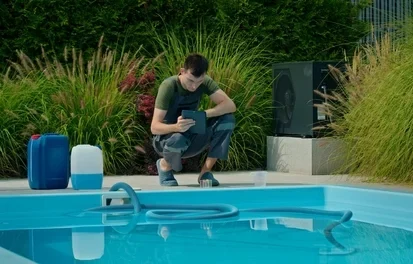
Effective Tips for Pool Maintenance and Its Myths
A pool is the dream of many people who want a private sanctuary for relaxing and socializing. Some people hesitate to install a pool because they think that it’s too expensive and the maintenance is too time-consuming. With so many pool maintenance tips and myths, it’s easy to get caught up in the misconceptions. Whether you’re a homeowner, a service buyer, or a business owner in Singapore, here’s what you need to know about swimming pool maintenance tips and avoiding costly repairs.
A Pool Doesn’t Require Any Attention
One primary misconception is that a swimming pool doesn’t require much attention, especially if the water is clear. However, every pool needs consistent, weekly care to keep it clean and avoid expensive maintenance. If you don’t perform regular chemical testing, bacteria and algae can grow, potentially causing health problems for swimmers and leading to costly repairs for the owner.
The chemistry of the water determines if the pool is safe for swimming. The best maintenance routine includes checking the chemical balance every week, skimming debris from the surface, and inspecting the filtration system to ensure it operates properly. Unbalanced water chemistry can be dangerous. You shouldn’t determine that your pool is safe if the water is clear. It could contain harmful pollutants. Additional issues due to an imbalance could include stains on the pool plaster, algae growth, tile corrosion, and scaling.
More Chemicals Ensure a Clean Pool
The more chemicals used in a pool, the cleaner it is. If excess chemicals or too much chlorine are added to a pool, it can cause more harm than good. High chemical or chlorine levels can irritate the eyes and skin, affect the interior finish of the pool, and reduce its lifespan. High levels of chlorine or other chemicals could damage the filtration system. Improper water chemistry could cause harmful bacterial growth. A swimmer may leave traces of body oils, soap, or shampoo in the water. Leaves or twigs floating in the water may provide a place for microorganism growth.
Follow manufacturer guidelines for adding chemicals and regularly test the water to maintain proper balance. Oxidizers and sanitizers can disinfect the pool. Adding chemicals can balance the chlorine, calcium, and pH levels. You could add algaecides to ensure the pool is clean. However, it’s essential not to mix certain chemicals that could be harmful to swimmers. The levels of alkalinity, calcium hardness, pH, and chlorine must be maintained properly. Alkalinity is a pH buffer. Calcium hardness prevents the water from being corrosive. The pH measures the amount of alkalinity or acidity in the water.
If the Water is Clear the Pool is Clean
If the water looks clean, maintenance isn’t necessary. However, the water could have a chemical imbalance. Microscopic bacteria and debris could cause cloudy water or illness. Regular shock treatments and balancing the water chemistry help to remove contaminants.
Some people think that if you smell chlorine, the odor comes from the water. However, this isn’t accurate. Clean pool water should never emit an odor. Chlorine attaches to bacteria in the water, which creates chloramines, a disinfection byproduct. Dirt and bacteria may give off an odor when the pool is dirty. The odor is an indication that you need to add more chlorine. When the pool is shocked, the chloramines turn to oxygen and are released into the air.
Chlorine is the main sanitizer, which prevents the growth of algae and kills bacteria that could be harmful. Dirt and bacteria may give off an odor, which means the pool is still dirty and needs more chlorine. When the chlorine levels are adjusted, the air around the pool will start to smell fresh.
Running Your Pump For a Few Hours is Sufficient
Some pool owners think that operating their pump for just a few hours a day is sufficient to keep the pool clean. Pool professionals recommend running the pump for at least eight to 12 hours a day during the summer and for a few hours less during cooler periods. Cutting back on the time you run the pump risks poor circulation in the pool. The pump helps to remove debris, maintains better water quality, and circulates the chemicals. If you decrease the time you run the pump you could risk algae growing in the pool, stagnant water, and a filter that collects dirt.
You Only Need a Pool Professional For Serious Issues
Hiring a professional pool service is only necessary when there’s a significant problem. You should schedule regular check-ups from a pool service professional to ensure that your equipment is working correctly and your water chemistry is balanced. A professional can catch potential issues early, saving you from expensive repairs later on.
Regular pool cleaning is necessary, but for most pools, it’s not necessary to vacuum each day. How frequently the pool is thoroughly cleaned depends on a few factors, including how often the pool is used, the size, and the surrounding environment. If the pool is in an area with dense trees, heavy pollination, or flowers, the surface may require more frequent skimming. For most pools, thorough cleanings can be done once a week.
Maintaining your pool doesn’t have to be stressful. It’s important to separate the facts from myths when it comes to proper care of your pool. When you understand the facts about pool care, you can avoid mistakes that can be costly and keep your pool sparkling clean and safe. Remember that even if the pool looks clean, you must balance and not overuse the chemicals and ensure the pump is operating properly. Regular maintenance of your pool during the summer and in the off-season is the key to keeping it a safe, fun place to enjoy.