
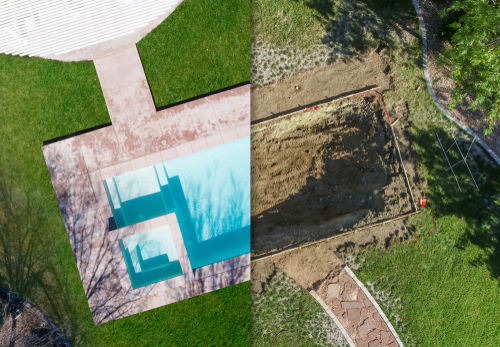
How to Construct a Swimming Pool
A swimming pool can add value to a home, but hiring a contractor to install one can be pricey. Fortunately, with some planning and preparation, installing a swimming pool can mostly be a DIY project and can add substantial value to your home. However, those who add a swimming pool to their current home may not always recoup their initial investment when they sell the house.
The First Step: Planning
Your first step after you decide to add a swimming pool is to decide which type of pool you want. Local zoning laws, your needs, and your budget will be the primary determining factors. Overall cost can be the major factor, as well as the maintenance requirements and safety laws.
When planning your swimming pool, be sure to include the price of hiring licensed professionals for electrical, plumbing, and so forth, as this can cost several thousand of dollars. Always overestimate this cost so you don’t run short on funds.
Consider the Long Term
Although you may like the idea of a pool now, in ten years, when you’re ten years older, it may seem like it wasn’t such a good idea because of the maintenance work involved. So consider your age when planning to build a pool.
Types of Pools
After deciding whether you want an in-ground pool or an above-ground pool, you have several other options, such as:
- Concrete:
Concrete pools are more expensive initially and require more maintenance than other types. They can be installed above ground and are often used when an in-ground pool isn’t feasible. - Fiberglass:
Fiberglass pools can be installed either in the ground or above the ground, but they’re more limited in size. They’re relatively easy to install and maintain, and are often less expensive initially. - Vinyl:
Vinyl liners can be installed in the ground or above it. They’re one of the most affordable types of pools, can be installed more quickly than other types, and are suitable for areas with weather extremes and seismic activity. Vinyl pool maintenance is relatively simple, and it’s easier to maintain the correct water pH.
However, vinyl pool liners will need to be replaced every 5 to 10 years, which offsets the lower initial cost. They’re also susceptible to leaks and puncture damage. Other considerations, such as salt air and water hardness, can affect the appropriateness of a vinyl pool in some instances.
Before Starting on a Swimming Pool...
After you’ve decided on the type and design of swimming pool you’d like, stake off the area and avoid large tree roots. You may need to check with your local building department to determine the location of any underground utilities.
Next, check the local building and zoning codes to ensure you’re in compliance with them and apply for the required permits. You’ll probably not receive immediate approval for your permits, but you may be able to apply for expedited approval.
After Permit Approval
Once your permits have been approved, double-check your staked-off area to ensure that your design is feasible, and then you can begin excavation. You’ll need several types of heavy equipment, depending on the site, so make sure it’s available in your area.
After Excavation
Once excavation is complete, you can install the electrical and plumbing lines. For these two steps, you’ll need professionals. Don’t try to DIY the electrical and plumbing unless you’re a licensed electrician and plumber, because these steps require approval from the local building inspector. If the electrical and plumbing for your pool isn’t professionally installed, it may not be covered under your homeowner’s insurance.
Concrete Pools
If you’re installing a concrete pool, you’ll need to install steel rebar to reinforce the concrete. Gunite or shotcrete will be sprayed over the frame to create the concrete shell that’s the pool. This step takes several days and must be allowed to cure completely, which affects the overall time needed to install a concrete pool.
Finishing the Pool
At this point, you can finish the inside of the pool. If you’re using an aggregate coating, plaster, or tile, you’ll install it now, as well as the coping tile around the upper edge so that there’s a smooth transition to the deck. This is also the time to install a diving board, jets, a waterfall, or other custom addition to your pool.
At this point, you’ll need another inspection from the local building department. This can take one or more weeks, depending on the backlog at the building department, so don’t start filling the pool.
Filling the Pool
Filling your pool can be done with a garden hose, or you can hire a water delivery service. Speak to your local water authority before you start filling your pool with a garden hose. At a minimum, you’ll probably be using 10,000 gallons of water, and larger pools can hold 30,000 gallons or more. This cost should be included in your overall cost estimate for building your swimming pool.
Time Required
Typically, it will take two to three months to construct a swimming pool. This includes the design stage, the time to apply for and process the permits, site preparation, and installation of the pool. Vinyl pools usually take less time; concrete pools can take longer.
Subcontractors, such as electrical and plumbing, may extend the time because of business scheduling, and custom features, such as masonry, can extend the time needed.
Safety
Many states require the installation of a fence or other safety measures around a pool. When speaking to your building department when you’re researching building a swimming pool, ask them about required safety measures. You can work on that during curing times and the time it takes to get your permits approved.
Alternatives to Building Your Swimming Pool
Depending on your needs and circumstances, a pool kit or stock tank can provide an affordable and simple pool with a minimum of excavation and professional services.
Solar pumps can help keep energy affordable, and alternative landscaping such as mulch, plants, or stone can reduce maintenance costs while providing an attractive yet affordable landscape around your pool.
Enjoying Your Pool
Swimming pools have become extremely popular and can add enjoyment to your family life. If you’re good at project management and flexible when schedules need to be adjusted, then building a swimming pool may be a good fit for you. Thoroughly investigate how to build a swimming pool, realize that it may be frustrating at times, and then accept the challenge. Your children, grandchildren, and friends will thank you for it!