
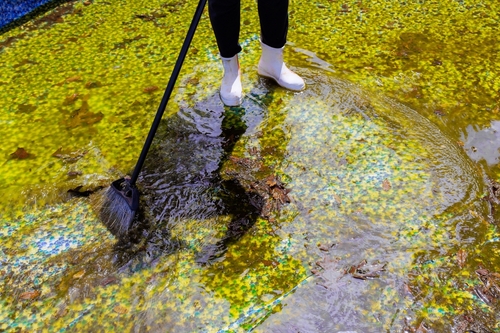
How To Remove Sediments From The Bottom Of Pool?
Having a clean swimming pool is not only important for aesthetics, but it is also essential for your health and the longevity of the pool basin. In addition to debris floating on the surface of the water, you can experience sediment at the bottom of the pool. Sediment is generally comprised of dirt, leaves, minerals, sand, and other organic matter. Not addressing sediment with routine pool maintenance will lead to a clogged filtration system, discolored water, and algae growth. In this article, we’ll discuss the different steps for how to remove pool sediment from the pool basin.
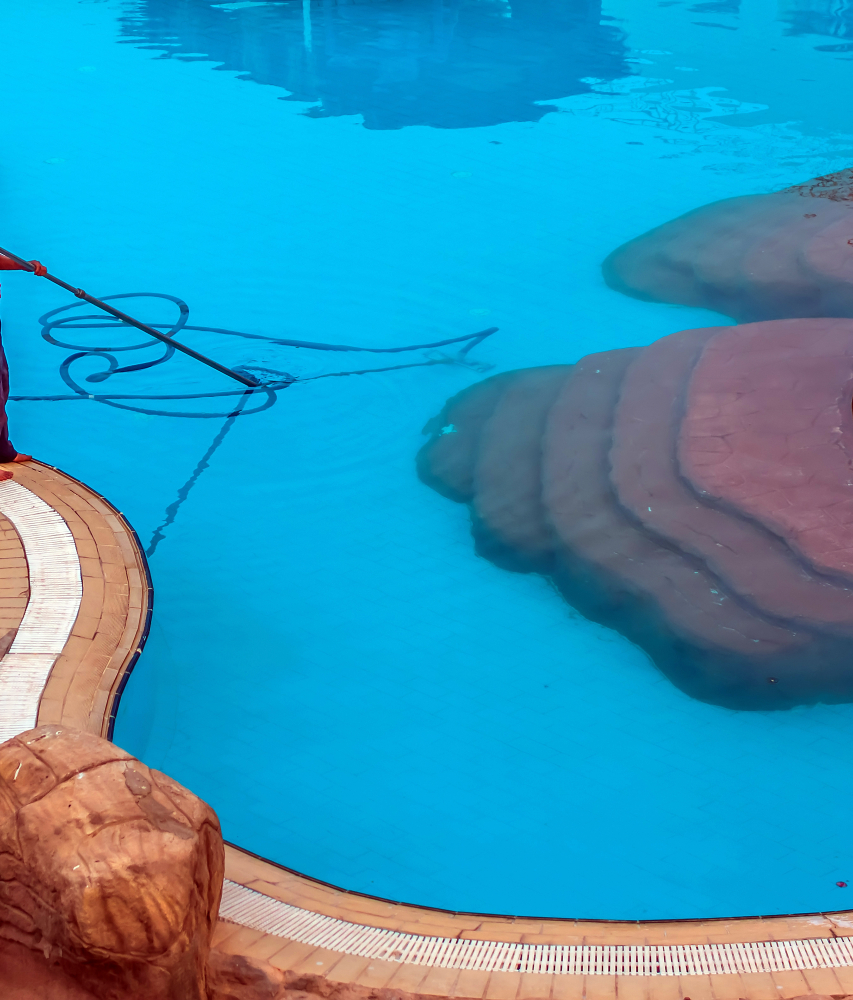
Prepare for Pool Sediment Removal
Before you actually tackle the process of removing sediment from the bottom of your pool, you want to test the alkalinity, calcium hardness, chlorine levels, and pH of the water with a pool water test kit. Doing this will tell you what might be contributing to sediment buildup, such as acidity, minerals from hard water, and inadequate chlorine to keep the water clean and healthy. Properly balanced water chemistry will help to prevent further buildup once you have removed the sediment.
The next step is to gather the tools you will need to remove sediment. These include:
- Skimmer net with pole
- Scrubbing brush designed for your pool surface
- Specialty pool vacuum
- Filter cleaning chemicals
How to Remove Sediment From Pool Bottom
How to remove pool sediment is pretty straightforward. If you don’t have the time or tools to do this regularly, consider hiring a professional pool cleaning service to maintain your pool. Otherwise, you or your staff member can follow these four steps.
1. Skim the Water Surface
Using a skimmer net that has a telescoping pool attachment is the easiest way to catch and remove debris from the water’s surface before it sinks to the bottom. You will be grabbing leaves, insects, and surface scum. Dispose of the wet matter away from the pool so it doesn’t get blown or tracked back into the water.
2. Scrub the Pool Walls and Steps
Grab the proper brush for your pool material. For instance, stiff nylon or stainless steel bristles are appropriate for concrete and plaster walls. Softer nylon brushes are better suited to vinyl and fiberglass surfaces.
Using the long handle attachment, scrub from the top down to allow for algae and other surface matter to settle to the bottom, where the vacuum will suck it up.
3. Vacuum the Pool
Take a mini-break to allow the scrubbed debris to settle to the bottom of the pool. Decide whether you will use a manual vacuum with a handle and pole attachment or a robotic hands-free pool vacuum that will get the job done while you continue to relax. Either way, turn the filter system to the “waste” setting to make sure that dirty water doesn’t continue to recirculate.
If using a manual vacuum, work methodically, moving back and forth until you have covered the entire pool basin. Vacuuming is the most important step when planning how to remove sediment from a pool bottom.
4. Turn On the Filtration System
Once you have thoroughly vacuumed the pool basin, run the filtration system for a full day, approximately 10 hours. This will grab all the remaining particles that were dispersed into the water that the vacuum didn’t capture.
Once you have filtered out the last of the dislodged debris, clean the filtration system. This will depend on the type of system you have. Follow the manufacturer’s instructions for backwashing and cartridge cleaning.
Final Thoughts
A clean pool is an inviting asset for you and for your guests, whether it is a private residential pool or one at a resort or club. Knowing how to remove pool sediment is key to maintaining your pool. Skim and vacuum your pool once a week to prevent sediment buildup. Then, follow these four simple steps for a more thorough sediment removal to ensure that your pool is clean, safe, and inviting.